Key ideas
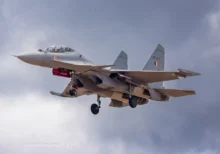
- •Japan will send three F-2A fighters to India for the first time, where they will train with Indian Su-30MKIs in Exercise Veer Guardian 26.
- •The deployment marks a deeper India-Japan defense relationship, alongside Japan's first defense export to India since lifting its weapons export restrictions.
- •The exercise has a clear China dimension, with both countries increasingly focused on China's military activity in the Indo-Pacific and Beijing closely watching the growing cooperation.
On August 20, Japan’s Defence Minister Shinjiro Koizumi met with Indian Defence Minister Rajnath Singh in New Delhi. The ministers discussed maritime security, shipbuilding, logistics, defence technology, and the use of unmanned systems in future exercises. Japan agreed to export its UNICORN integrated communications antenna system to the Indian Navy, which is Japan’s first defence export to India since it ended its weapons sales ban in April.
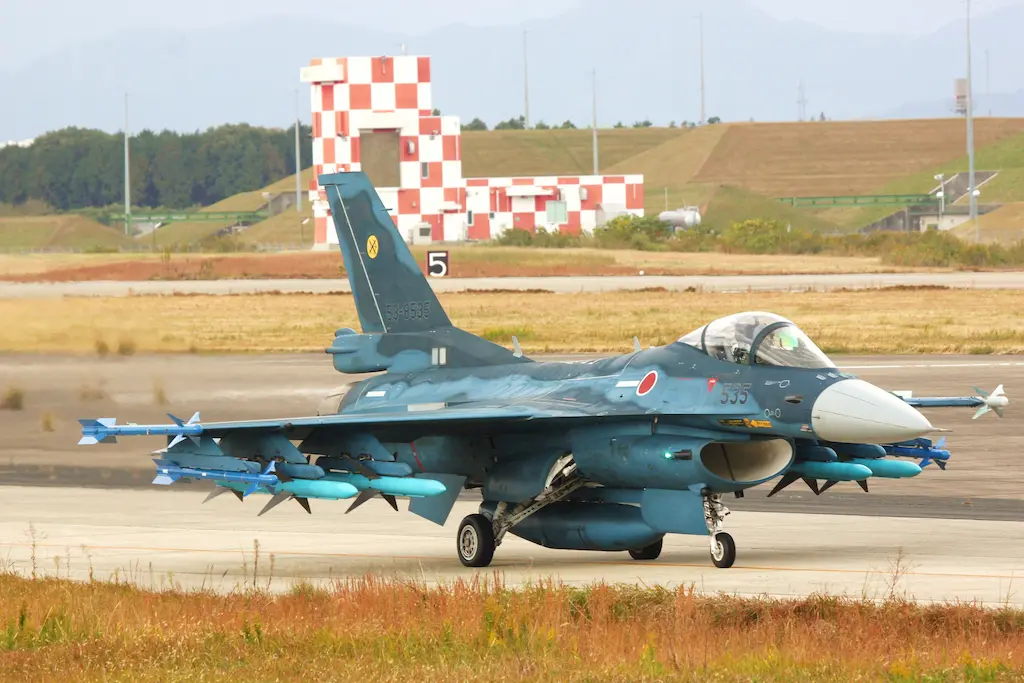
In addition, the ministers agreed that from September 9 to 21, three Mitsubishi F-2A fighters from Japan’s Air Self-Defence Force will land at Jodhpur Airbase in Rajasthan. Around 110 Japanese personnel will join and train alongside Indian Air Force Su-30MKI fighters in air combat exercises. It will be the first time Japanese fighter planes operate from Indian territory.
The first Japan-India joint fighter exercise was held in Japan in 2023. The second will take place in India in 2026. But this time, Japan is bringing its aircraft to India rather than hosting India’s.
The F-2
Japan developed the F-2 in partnership with Mitsubishi Heavy Industries and Lockheed Martin, resulting in a modified version of the F-16 rather than a direct copy. The F-2 is bigger than the F-16 and carries more fuel because of its larger wings, which are made up of about 60 per cent composite materials. It was designed primarily for anti-ship missions.
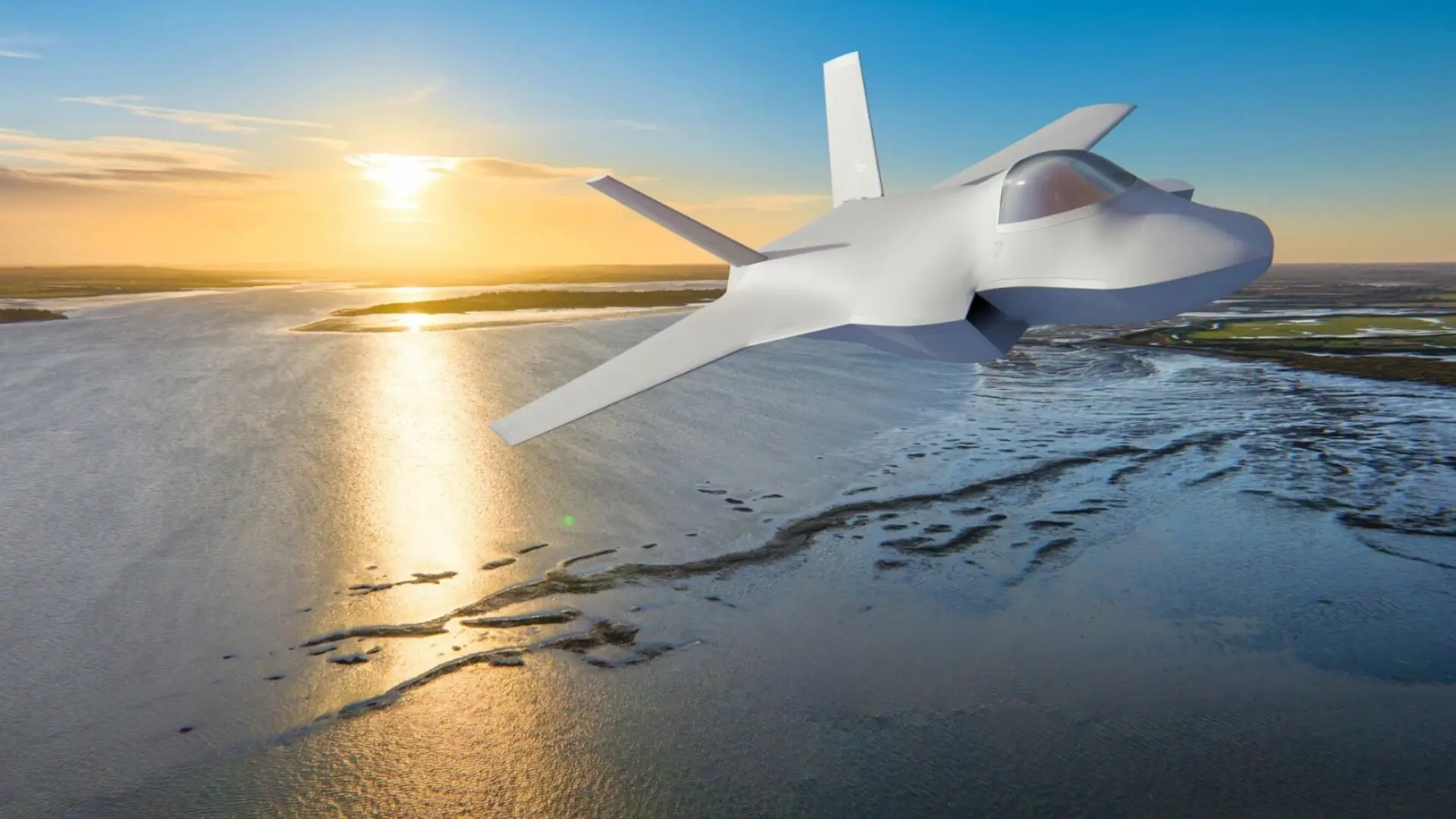
The aircraft is equipped with the Mitsubishi Electric J/APG-1 radar, later upgraded to the J/APG-2, which was among the first radars with an active electronically scanned array (AESA) on a production fighter. Japan managed to develop and install this advanced radar before many NATO countries had similar technology in service. The development of this radar also contributed to later Japanese aerospace electronics programs, including Japan’s role in developing the next-generation GCAP fighter.
The F-2’s main job is to find and destroy ships at long range, which is relevant to the current situation being monitored by both Japan and India. China’s navy, now the largest in the world, is a shared concern for both countries. Japanese sources reported that the planned deployment aims to enhance operational cooperation in response to China’s aggressive military posture in the Indo-Pacific.
The exercise
Jodhpur Airbase is located in northwestern Rajasthan, about 250 kilometres from the Pakistani border. It plays an important role as one of India’s main air defence bases. The airbase was in the spotlight during real aerial combat in May 2025, when India launched Operation Sindoor strikes into Pakistan. Pakistani aircraft, including J-10Cs, responded during this operation.
Japanese F-2 pilots training in Jodhpur are training in an environment similar to the one where India’s Rafales operated three months ago. It’s also relevant for China’s military planners as they evaluate strategies for the Indian subcontinent. The exercise aims to improve cooperation between the two air forces.
After the Veer Guardian 26 exercise ends, Jodhpur will host Exercise Tarang Shakti 2026 from September 26 to October 12. Eight nations are sending aircraft, and more than thirty will observe. The schedule includes US F-35 fighters, which might be the first time America’s stealth fighter joins an exercise in India.
The Chinese reaction
The Global Times published a response the same week that the deployment was confirmed. A Chinese researcher from the Shanghai Institutes for International Studies said this partnership serves the strategic interests of both countries.
However, he warned that India should be cautious about becoming a frontline player in Japan’s geopolitical conflict with China. He mentioned Japan’s wartime history to remind India that Tokyo’s defence changes have significant historical implications.
Global Times added that India should think carefully before building closer ties with Japan because of its history of aggression and the great harm it caused in Asia during World War II.