Key ideas
- •India is paying almost as much to lease two MQ-9B SeaGuardians for 30 months as it would cost to own them outright.
- •The expensive lease fills a five-year gap between India's 2023 purchase of 31 MQ-9Bs and their planned delivery in 2029.
- •India's indigenous Drishti 10 Starliner has suffered multiple crashes, adding urgency to the decision to keep relying on American SeaGuardians for maritime surveillance.
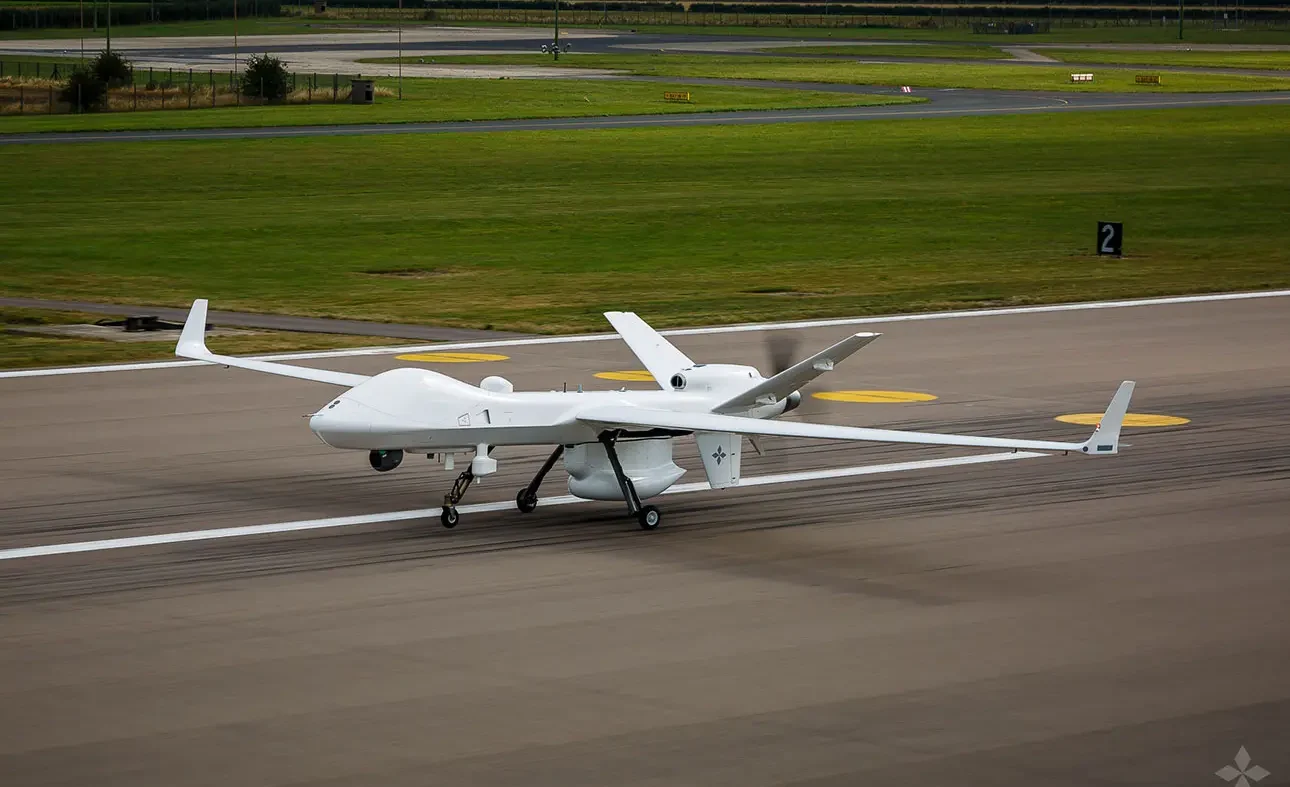
On August 17, India signed a contract to rent two MQ-9B SeaGuardian drones for INR 1,943 crore, which is about $203 million. The lease will last for thirty months, and India will not own the aircraft after this period. To break down the costs, renting two drones for 30 months amounts to about $101.5 million per drone.
In 2023, India signed another contract to buy 31 MQ-9B drones from the same company for around $3.5-$4 billion, which also included sensors, weapons, ground equipment, training systems, and support for the entire fleet. Under the contract, the potential cost per purchased drone is about $113 million.
The price difference between leasing and buying is roughly $11.5 million, meaning renting the drones for 30 months costs India about 90 per cent of what it would pay to own them outright. The reason for this rental agreement is that India won’t receive its permanent MQ-9B fleet until January 2029.
How India ended up here
The Indian Navy first rented MQ-9B SeaGuardian drones in November 2020, right after the Galwan Valley clash with China prompted a fast review of India’s need for intelligence, surveillance, and reconnaissance along its northern land borders and southern maritime areas.
Two drones were rented for one year, and the lease was extended twice. In September 2024, one drone was lost in the Bay of Bengal due to a technical issue and had to be ditched at sea. General Atomics provided a replacement, as required by the contract.
By August 2026, India had been leasing MQ-9B SeaGuardians for almost six years. The two drones signed for on August 17 are not the first SeaGuardians to be leased. They increase the leased fleet from two to four.
The reason for the ongoing lease is the gap between the permanent purchase in 2023 and the delivery set for January 2029. India committed to buying the drones in 2023, but they will not arrive until 2029.
During the five and a half years in between, the Indian Navy’s need for maritime surveillance in the Indian Ocean continues without interruption. The lease fills that gap, but this deal has not addressed what else the lease covers.
The indigenous alternative that keeps crashing
India aims to create its own military systems rather than rely solely on American equipment. The Hermes 900 was chosen for naval surveillance and is assembled in India by Adani Defence and Space, where it is known as the Drishti 10 Starliner. The Navy ordered two units.
The first unit was delivered in January 2024. However, the second was lost at sea during trials in January 2025 before it could be used. Then, in July 2026, just one month before India signed a new lease for the MQ-9B, one of the Navy’s Hermes 900s crashed during a training mission at Porbandar airfield.
The MQ-9B lease, signed on August 17, serves two purposes. It fills the gap between the purchase commitment made in 2023 and the delivery planned for 2029. It also helps offset the ongoing reliability issues with India’s indigenous system that was supposed to lessen dependence on American gear. Both problems are happening at the same time.
The contractor-operated drone
The lease follows a model called Contractor-Owned, Contractor-Operated. General Atomics owns and maintains the aircraft, while Indian Navy crews conduct the surveillance missions. The maintenance personnel are American and work in India.
The setup for leased military systems is common worldwide and usually isn’t a problem. However, it has particular effects on India’s intelligence operations that were not mentioned in the announcement. Technicians who service these aircraft can access important tools and data, including sensor equipment, flight-hour records, and maintenance logs detailing operational patterns.
They work on equipment like the Leonardo SeaSpray radar, the sonobuoy kit for submarine detection, and the systems that capture what the aircraft sees. While India operates the missions, a foreign contractor maintains the systems.
Owning, operating, and maintaining the same aircraft with Indian personnel is different from our current arrangement. The permanent purchase program will help close this gap and is expected to be complete by January 2029.
The ocean
The Indian Ocean covers about 73.5 million square kilometres. An MQ-9B SeaGuardian can monitor roughly 1.2 million square kilometres per mission, depending on its height, equipment, and the area being watched. With four aircraft, accounting for maintenance, crew changes, and travel time between the base and patrol areas, the Navy can conduct two to three missions simultaneously.
With three MQ-9B missions active, each covering 1.2 million square kilometres, India can survey about 3.6 million square kilometres of the ocean at once. It is roughly 5 per cent of the Indian Ocean’s total area. However, India’s planned fleet of 31 MQ-9B aircraft would improve this.
With fifteen SeaGuardians assigned to the Navy, they could maintain six to eight active patrols, covering about 7 to 10 million square kilometres simultaneously, or around 10 to 14 per cent of the Indian Ocean. It would offer much better coverage than four aircraft.
However, it’s still only a small part of the ocean that India needs to monitor for Chinese naval activities, Pakistani submarines, piracy, and drug trafficking.